
 Range image
Suppression Systems
Cinder Direct Suppression System (CDS)
Agent delivered directly at the root of the fire. Available in 1 kg and 2 kg.
Sizes2 options
1 kg, 2 kg Range image
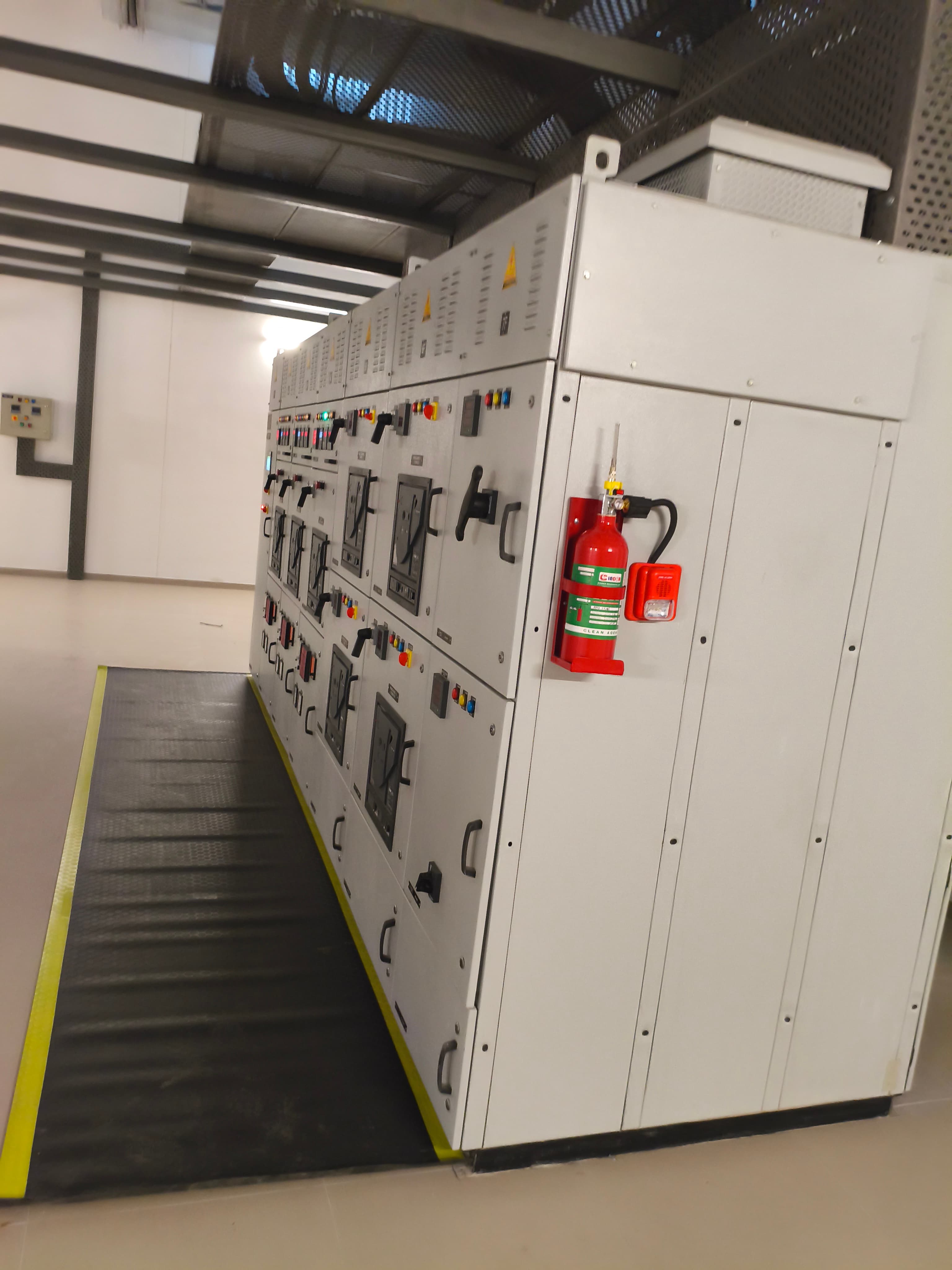
In-cabinet CO₂ protection for electrical enclosures. Available in 2.2 kg and 4.7 kg.
Select a size to quote for it, or ask about the whole range.Compare sizes
CCS is a CO₂ equipment-protection configuration with direct or indirect valve options. Identify the cabinet openings, adjoining space and occupancy before requesting a selection. CO₂ discharge can create hazardous conditions for people, including outside the immediate enclosure if agent escapes. A design review must establish appropriate safeguards and operating procedures. Compare the DHP or IHP arrangement against the existing equipment drawings; pneumatic activation does not justify a promise of zero unwanted discharge.
Configuration review. The listed configurations are 2.2 kg (CCS-2.2), 4.7 kg (CCS-4.7). Compare the selected model's specification table and documentation; the charge or container size alone does not establish suitability or coverage.
Before ordering. For a Cinder CO₂ Suppression System (CCS) quotation, provide the required quantity, installation or replacement context, and the associated equipment model. Include photographs or drawings of the interfaces and any project documentation requirements. Ask the supplier to identify the exact offered configuration and the scope of installation, commissioning or servicing included.
| Size | Part code | Enquire |
|---|---|---|
| 2.2 kg | CCS-2.2 | Quote |
The features built into the Cinder CO₂ Suppression System (CCS), and what each one does for the site it protects.
Intrinsically safe for electrically charged areas; no external power is required to activate the system
These are the common hazards for this range. Share your enclosure or room details and an engineer will confirm coverage.
Range imageSuppression Systems
Agent delivered directly at the root of the fire. Available in 1 kg and 2 kg.
Sizes2 options
1 kg, 2 kg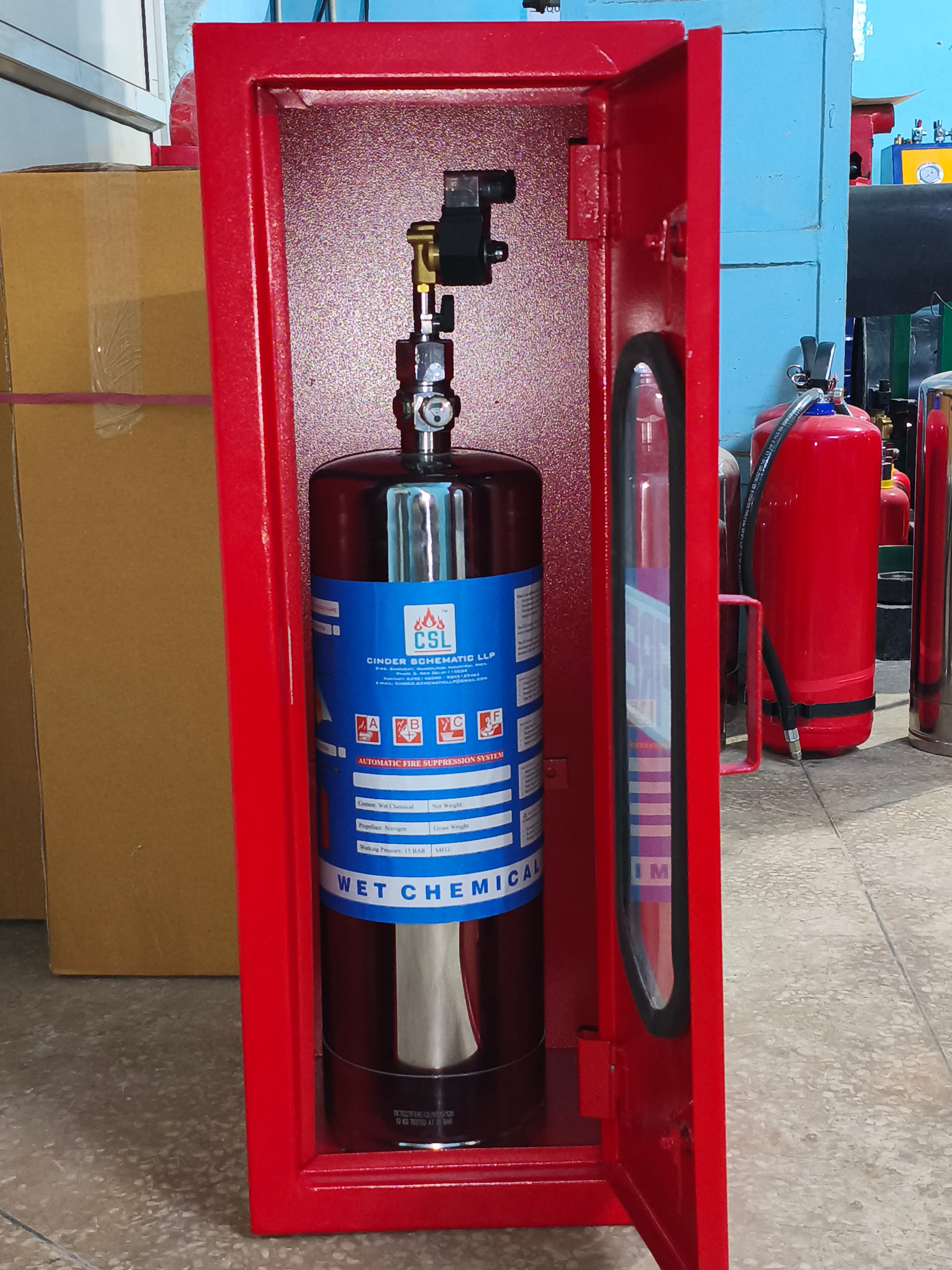
What buyers and engineers most often ask before specifying the Cinder CO₂ Suppression System (CCS).
Ask your own questionThe listed configurations are 2.2 kg (CCS-2.2), 4.7 kg (CCS-4.7). Compare the selected model's specification table and documentation; the charge or container size alone does not establish suitability or coverage.
CCS is a CO₂ equipment-protection configuration with direct or indirect valve options. Identify the cabinet openings, adjoining space and occupancy before requesting a selection. CO₂ discharge can create hazardous conditions for people, including outside the immediate enclosure if agent escapes. A design review must establish appropriate safeguards and operating procedures. Compare the DHP or IHP arrangement against the existing equipment drawings; pneumatic activation does not justify a promise of zero unwanted discharge.
Send the project details. We’ll confirm the configuration and prepare a quote.
| 4.7 kg |
|---|
| CCS-4.7 |
| Quote |
Every size shares the specification below. Ask about one and an engineer confirms it suits the risk before quoting.
No false alarms or discharges — the system only activates on actual fire or heat impingement
Systems using clean suppression agents need no post-discharge clean up
Easy to install on new or existing equipment
Environmentally friendly, using UL certified seamless cylinders that are not harmful to equipment or the environment
Suppression Systems
Separate detection and discharge networks. Available in 6 kg, 9 kg, 12 kg, 18 kg and 25 kg.
Sizes5 options
6 kg, 9 kg, 12 kg, 18 kg, 25 kgThe listed configurations are 2.2 kg (CCS-2.2), 4.7 kg (CCS-4.7). Compare the selected model's specification table and documentation; the charge or container size alone does not establish suitability or coverage.
For a Cinder CO₂ Suppression System (CCS) quotation, provide the required quantity, installation or replacement context, and the associated equipment model. Include photographs or drawings of the interfaces and any project documentation requirements. Ask the supplier to identify the exact offered configuration and the scope of installation, commissioning or servicing included.
Request the model-specific instructions, the relevant test or certification documents and the service requirements for the offered configuration. Where the product forms part of a fixed system, agree who is responsible for design verification, installation, commissioning and the recorded operating sequence.
For background on CO₂ safeguards, see OSHA's fixed-system guidance. This is a technical reference; the project designer must establish the requirements applicable to the installation.