
 Range image
Suppression Systems
Cinder CO₂ Suppression System (CCS)
In-cabinet CO₂ protection for electrical enclosures. Available in 2.2 kg and 4.7 kg.
Sizes2 options
2.2 kg, 4.7 kgCompare the products below, their applications and specifications, and move directly into the one that fits your project.
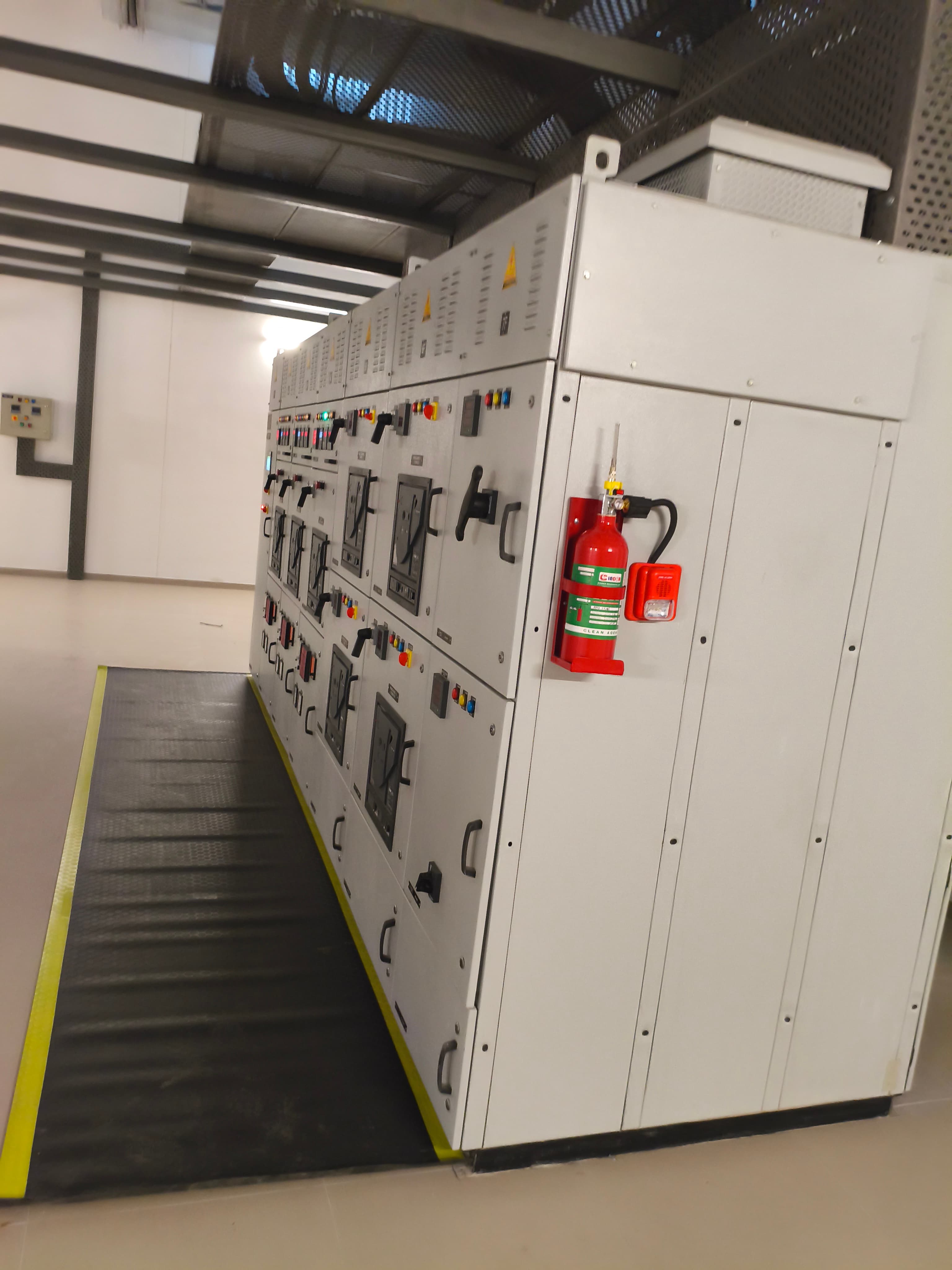
Targeted detection and suppression at the source of the fire.
Range imageSuppression Systems
In-cabinet CO₂ protection for electrical enclosures. Available in 2.2 kg and 4.7 kg.
Sizes2 options
2.2 kg, 4.7 kgRange imageSuppression Systems
Agent delivered directly at the root of the fire. Available in 1 kg and 2 kg.
Sizes2 options
1 kg, 2 kg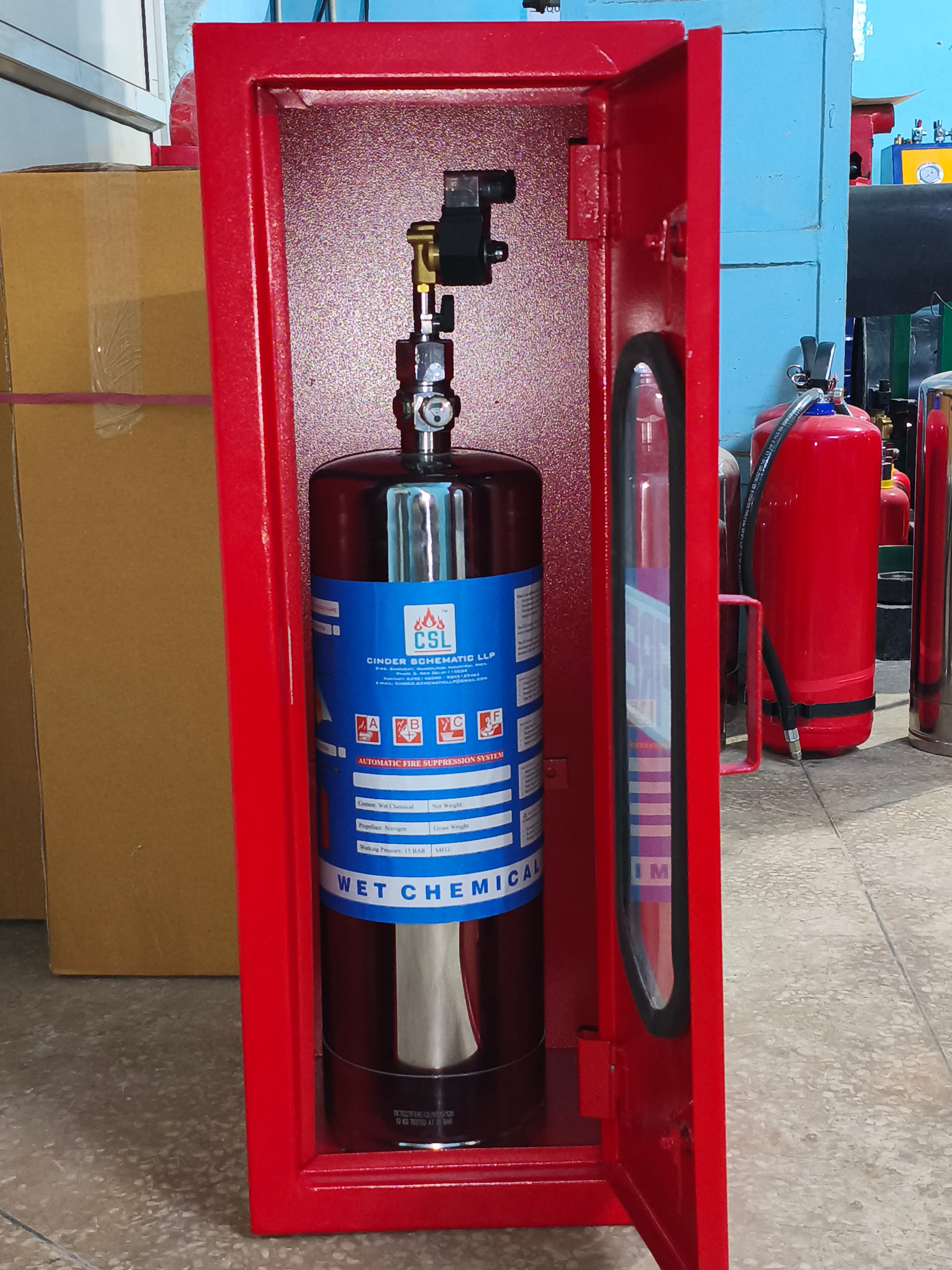 Range image
Suppression Systems
Separate detection and discharge networks. Available in 6 kg, 9 kg, 12 kg, 18 kg and 25 kg.
Sizes5 options
6 kg, 9 kg, 12 kg, 18 kg, 25 kgPre-engineered suppression systems that detect and extinguish fire at its origin, protecting individual equipment, panels and enclosures without flooding the whole room.
Automatic suppression starts with the equipment and the fire scenario. A compact electrical cabinet, a cooking appliance and an open machine do not present the same enclosure, fuel or discharge requirements. This range includes direct, indirect and CO₂ configurations. Compare how each detects heat, where the agent is released and how it interfaces with alarms and equipment shutdown. Cylinder capacity is only one part of the selection: tube routing, nozzle coverage, environmental conditions and the agent must be reviewed together. Use the individual product specifications below to shortlist an architecture, then send the enclosure dimensions and equipment layout for a project-specific recommendation.
Direct suppression uses the sensing tube as the agent release path. Indirect suppression separates detection from a discharge network and nozzles. Choose from the enclosure layout and approved system design, rather than cylinder capacity alone.
Send equipment photographs, enclosure dimensions, fuel or process details, ventilation openings, normal temperatures and the required alarm or shutdown interfaces. State whether the protected area or an adjacent space is occupied.
Tell us about the space you need to protect and an engineer will recommend the right system.
Start with a description of the equipment, the combustible material and the likely ignition location. Record enclosure dimensions, openings, ventilation, normal operating temperatures and whether people can enter or stand beside the protected area. Photographs of the inside and outside are more useful than a capacity request without context. Identify whether the objective is protection of one cabinet, several appliances or an entire room.
In the CDS direct system, the heat-sensing tube also provides the release path. In the CIS indirect system, detection and agent discharge are separate, allowing nozzles to be positioned for the hazard. The choice depends on access, geometry, agent distribution and the manufacturer's design limits. A different cylinder size does not, by itself, make an unsuitable layout suitable.
Tell the designer whether residue on equipment is a concern, whether cooking oils or batteries are involved and what shutdown signals the equipment accepts. List the required local alarm, remote indication, manual controls and maintenance isolation. For CO₂ configurations, include the potential for agent to escape into nearby occupied areas in the safety assessment.
Ask each supplier to identify the exact cylinder, valve, detection arrangement, tube or pipe network and discharge devices. Check whether installation, commissioning, interlock testing, drawings, training and service support are included. Request documents for the supplied configuration; a component certificate does not establish approval of every assembled system.
Agree the protected equipment list, the design assumptions and the acceptance checks. Keep a record of any exclusions, such as an adjacent cabinet or a future machine extension. Subsequent changes to ventilation, enclosure size or equipment layout should trigger a design review. The FIA pipework guidance explains why component compatibility and competent installation matter.