
 Range image
Flooding Systems
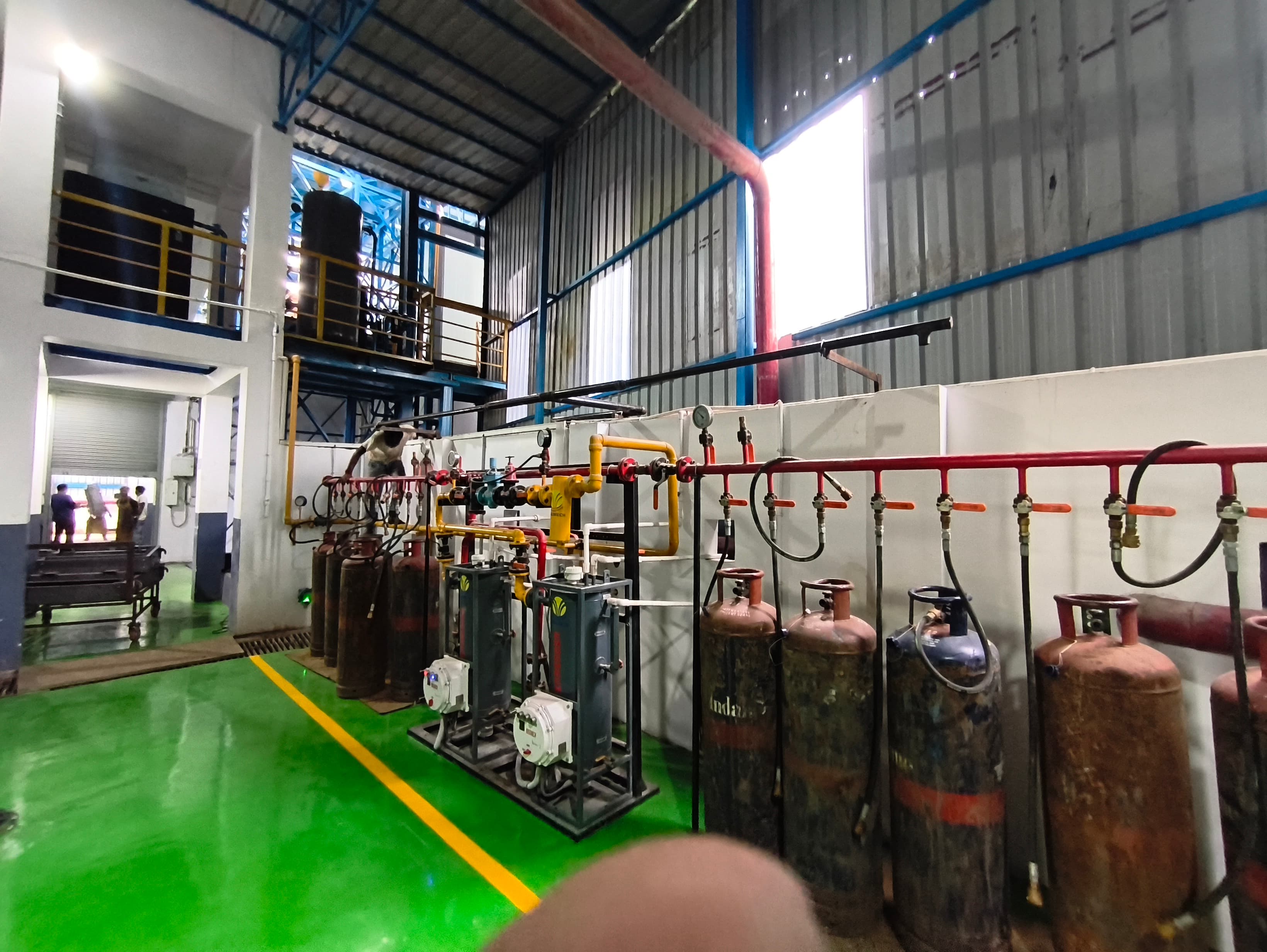
Cinder CO₂ Flooding System (CCFS)
Oxygen displacement flooding for high-hazard areas. Available in 22.5 kg and 45 kg.
Sizes2 options
22.5 kg, 45 kgCompare the products below, their applications and specifications, and move directly into the one that fits your project.
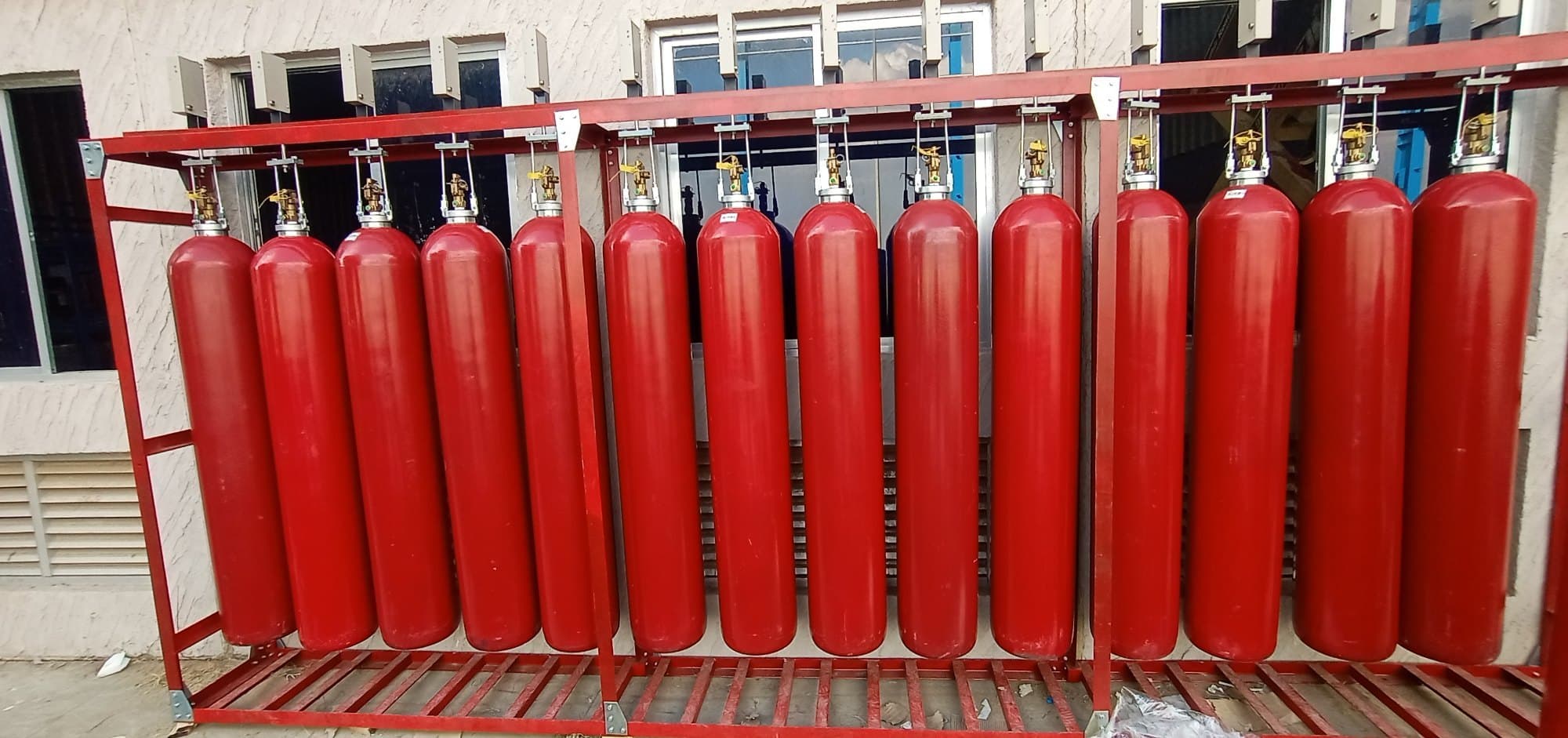
Room-level protection by flooding the enclosure with agent.
Range imageFlooding Systems
Oxygen displacement flooding for high-hazard areas. Available in 22.5 kg and 45 kg.
Sizes2 options
22.5 kg, 45 kg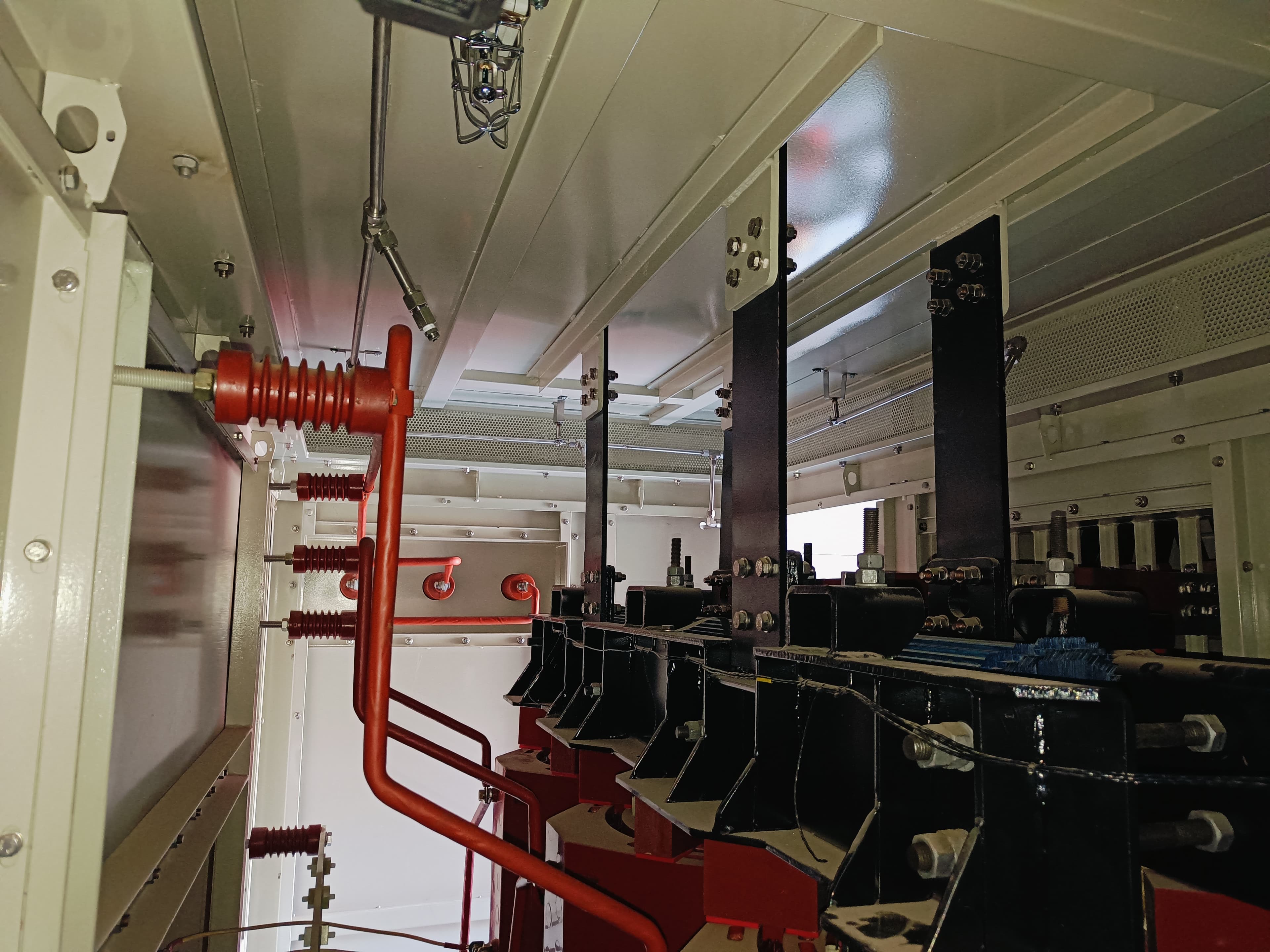 Range image
Flooding Systems
Compact ceiling-mounted flooding unit. Available in 5 kg and 10 kg.
Sizes2 options
5 kg, 10 kg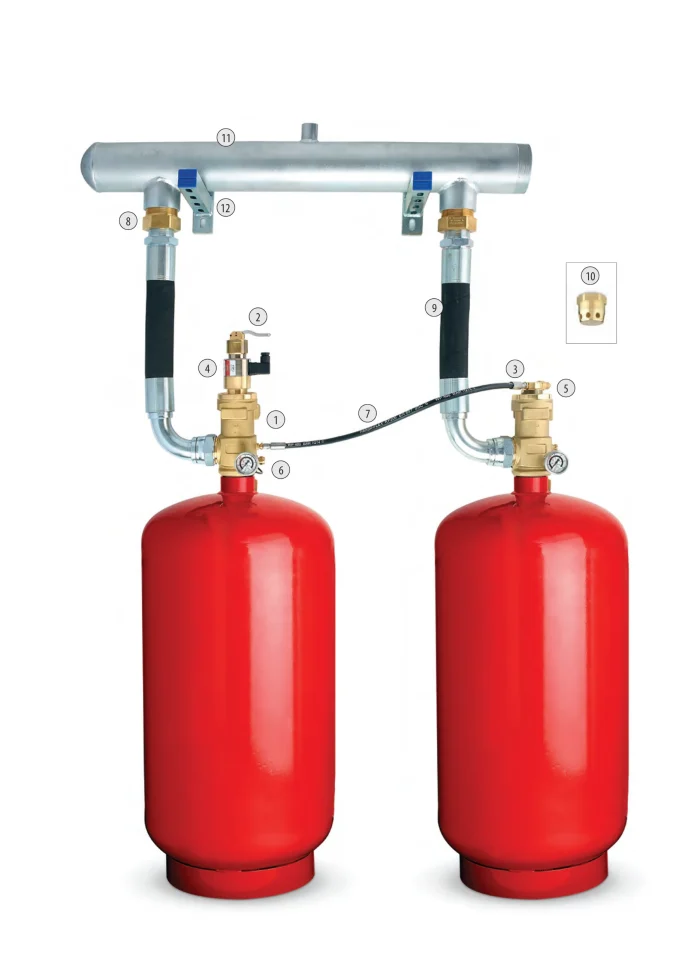
Flooding Systems
Clean agent flooding calculated to the protected volume. Available in 34 Ltr, 80 Ltr, 120 Ltr, 140 Ltr and 180 Ltr.
Sizes5 options
34 Ltr, 80 Ltr, 120 Ltr, 140 Ltr, 180 LtrEngineered flooding systems that fill a three-dimensional enclosed space with extinguishant to a calculated concentration, protecting data centres, plant rooms and high-value assets.
Total flooding systems are specified around an enclosure rather than an individual nozzle location alone. The design must account for the room volume, connected voids, openings and ventilation that can affect agent distribution and retention. This range includes clean-agent, CO₂ and compact micro-flooding configurations, each with different installation and safety considerations. Compare the available container sizes and control arrangements, but request an engineered selection before ordering. A room survey should establish the protection boundary, occupancy, plant shutdowns and the evidence required at handover. A cylinder volume in litres describes the container and should not be read as the floor area or room volume it protects.
No. The design also needs room height, connected voids, openings, ventilation, contents and operating conditions. Container capacity is not a direct statement of room coverage.
Leakage can affect whether the enclosure retains the designed agent concentration. The designer should define the required assessment and testing, including the effect of ventilation and later changes to the room.
Tell us about the space you need to protect and an engineer will recommend the right system.
The CTFS range uses clean-agent flooding; the CCFS range uses CO₂. Their safety provisions and design calculations are not interchangeable. A CMFS unit is a compact option whose coverage must be checked against its own application limits. Compare the proposed agent and arrangement, not just the number of cylinders.
A gaseous system relies on the enclosure retaining agent for the required design conditions. Ask how leakage paths will be identified and addressed and what enclosure testing is included. The FIA room integrity guidance discusses testing the actual enclosure. A later cable opening, door alteration or ventilation change can affect the original assessment.
Document how detection leads to alarms, shutdowns and release, and how manual controls and maintenance isolation operate. Occupancy and evacuation arrangements need particular attention with CO₂. Ask the designer to show the proposed cause-and-effect sequence and have it agreed before equipment is ordered. Do not assume two panels with similar input counts perform the same release logic.
Request design calculations, installation drawings, the equipment schedule, commissioning records and maintenance instructions. Clarify who provides sealing work, electrical interfaces and any pressure-relief assessment. Compare quotations against this complete scope so a cheaper equipment-only offer is not mistaken for a complete installation.