
 Range image
Valves & Actuators
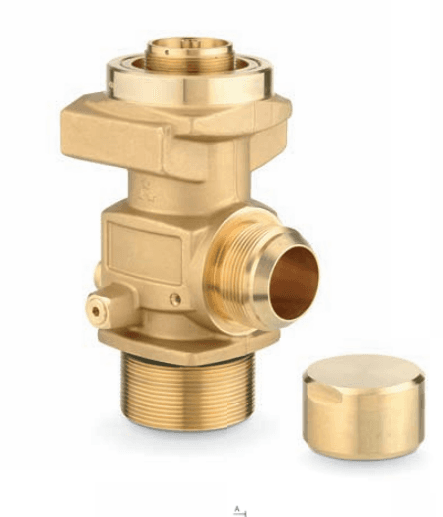
Check Valve CV33 / CV49
Brass manifold check valve, 60 bar, in 2" and 2½" sizes.
Part codeCV33 / CV49
Review the available products and specifications. Our team can help you select the right configuration.
Cylinder valves, actuators, check valves and gas shut-off valves.
Range imageValves & Actuators
Brass manifold check valve, 60 bar, in 2" and 2½" sizes.
Range imageValves & Actuators
Ø25 mm orifice forged brass valve for smaller clean agent flooding cylinders.
Range imageValves & Actuators
Ø33 mm orifice forged brass valve with 2½" UN inlet for mid-range cylinders.
Range imageValves & Actuators
Ø49 mm orifice valve rated to 42 bar for the largest flooding cylinders.
Range imageValves & Actuators
CE certified direct valve with G¼" outlet for CDS cylinders.
Range imageValves & Actuators
TPED certified direct valve with G1/8" outlet for transportable use.
Range imageValves & Actuators
24 V DC push-pull actuator, 45 N force, alternate body for gas valves.
Range imageValves & Actuators
24 V DC push-pull actuator, 45 N force, M42x1.5 valve mount.
Range imageValves & Actuators
2-way direct acting solenoid valve, G¼", rated to 30 bar.
Range imageValves & Actuators
G1" solenoid gas valve, 10.97 m³/h, 24 V DC, 6.5 W.
Range imageValves & Actuators
G1½" solenoid gas valve, 25.3 m³/h, 24 V DC, 14 W.
Range imageValves & Actuators
Direct high-pressure valve discharging through the detection tube at root cause.
Range imageValves & Actuators
Indirect high-pressure valve for mass CO₂ discharge into a whole cabinet.
Range imageValves & Actuators
Ø7 mm manual/electrical valve with 250 bar burst disc, no gauge port.
Range imageValves & Actuators
Ø12 mm pneumatically actuated slave valve, 250 bar burst disc.
Range imageValves & Actuators
Ø7 mm manual/electrical valve with gauge port, no burst disc.
Range imageValves & Actuators
Ø12 mm high-flow valve, 300 bar burst disc, manual or electrical.
Range imageValves & Actuators
CE certified indirect valve with G½" syphon, pressure differential actuation.
Range imageValves & Actuators
TPED certified indirect valve with M16x1.5 syphon for transportable cylinders.
Range imageValves & Actuators
Electrically operated indirect valve, TPED certified, for panel-driven release.
Range imageValves & Actuators
Brass lever actuator for manual cylinder release, M42x1.5.
Range imageValves & Actuators
Brass pneumatic actuator, 45 N, for slave cylinder release.
Cylinder valves for every Cinder system: clean agent total flooding valves, high pressure CO₂, nitrogen and argon valves, and direct and indirect low-pressure suppression valves. Alongside them are the electromagnetic, manual and pneumatic actuators that open those valves, manifold check valves, and gas shut-off valves that isolate the fuel supply when a system releases.
The valve and actuator determine how a stored charge is retained and released. This range contains low-pressure and high-pressure valves, total-flooding valves, manual and pneumatic actuators, electrical actuators and gas shut-off valves. Their functions differ even where the bodies or connection sizes look similar. Compare the inlet and outlet standards, working pressure, orifice, relief arrangement and actuation interface. For a replacement, the cylinder and system documentation should identify the permitted assembly. Electrical actuator selection also requires the release panel output and wiring conditions; selecting a coil by nominal voltage alone can overlook its current demand or connection requirements.
No. A burst-disc value describes a relief component, while the working-pressure rating describes normal operating limits. Use the specified complete assembly and do not substitute one value for the other.
Confirm its mechanical fit, operating voltage, current or power demand and compatibility with the release panel output, wiring and supervision. A matching voltage alone is insufficient.
Tell us about the space you need to protect and an engineer will recommend the right system.
Record the inlet and outlet thread standards, seating arrangement and available installation space. Distinguish the cylinder neck connection from the discharge connection and accessory ports. If a drawing is unavailable, request one rather than relying on a photograph or a nominal diameter. Also check access for the actuator and for maintenance.
Compare the published working pressure with the design conditions of the assembly. Treat burst-disc values, test pressures and gauge ranges as separate information. The required relief arrangement must be established for the complete cylinder assembly. Do not replace a relief device with a different rating simply because another valve in the catalogue uses it.
Electrical actuation requires a compatible release output, wiring and supervision arrangement. Pneumatic actuation requires the specified pilot network; manual actuation requires the appropriate mechanical interface. Ask how each actuator is reset and how service isolation is handled. The system designer should establish the sequence and interfaces before procurement.
Use the product tables to shortlist models, then request confirmation against the original equipment schedule. Include the agent, cylinder reference, pressure conditions and actuator details with the enquiry. The system-components guide covers the broader compatibility checks needed across the assembly.